Regular brushing and flossing help maintain oral hygiene, but they may not completely remove hardened plaque, tartar, and stains from difficult-to-reach areas.
At Cognident Psychiatry and Dental Clinic in Madhapur, we provide professional scaling and polishing to remove accumulated tartar, plaque, and surface stains while supporting better gum health.
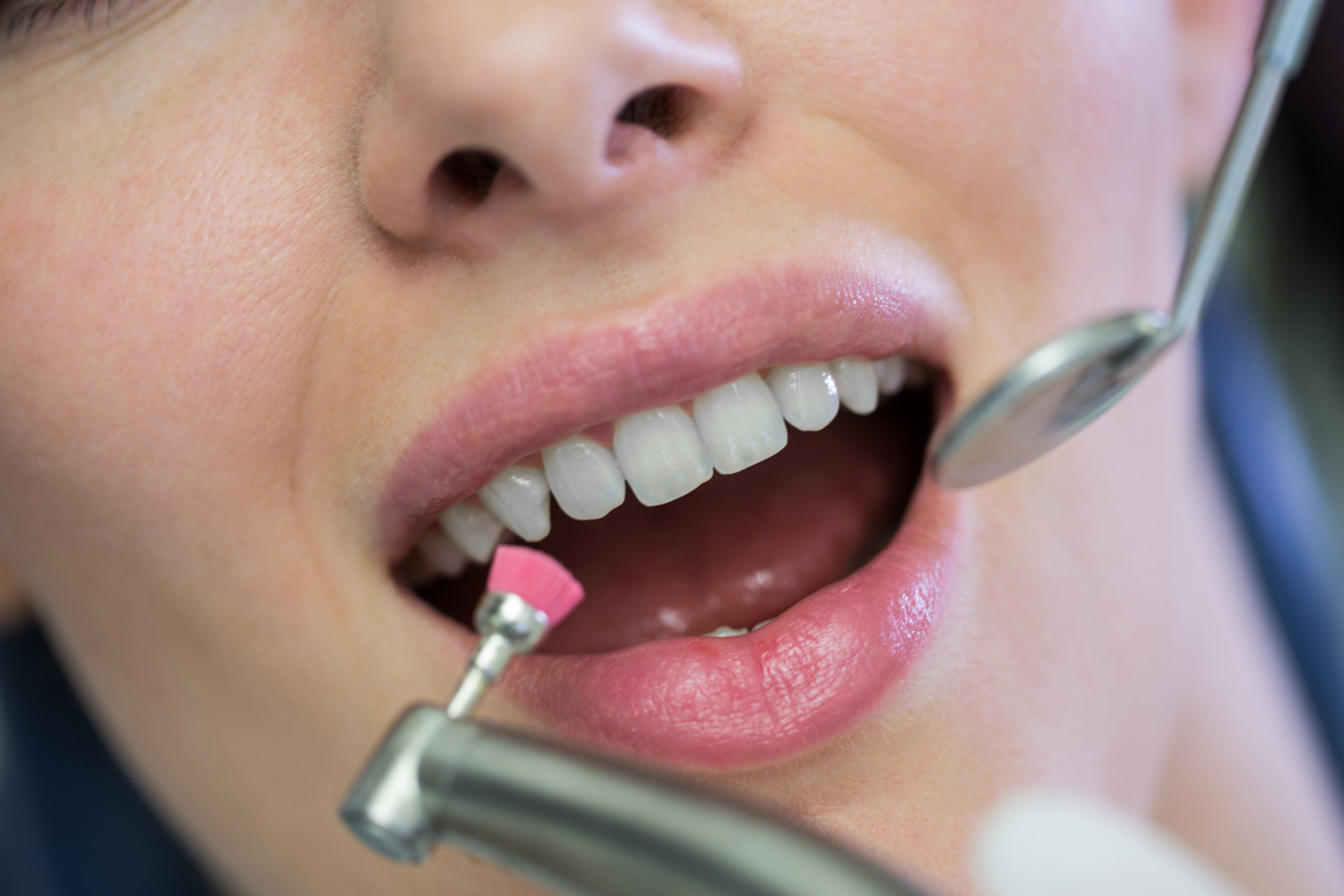
Professional scaling and polishing can help keep your teeth and gums clean, healthy, and fresh. The procedure is customised according to your oral hygiene needs and overall dental condition.
Scaling is a professional dental cleaning procedure that removes plaque and hardened tartar from tooth surfaces, including areas around the gum line that are difficult to clean with regular brushing.
Polishing is performed after scaling to smooth tooth surfaces and remove certain superficial stains, leaving teeth feeling cleaner and smoother.
Helps remove hardened deposits that cannot be completely eliminated through regular brushing.
Helps reduce certain external stains caused by tea, coffee, tobacco, and other habits.
Supports cleaner teeth and healthier gums by reducing plaque-related buildup.
You may benefit from professional scaling and polishing if you notice plaque buildup, tartar, staining, or changes in your gum health.
Regular dental check-ups help determine how frequently professional cleaning is appropriate according to your oral hygiene, tartar buildup, and gum health.
The dentist examines your teeth, gums, plaque levels, tartar buildup, and overall oral health to determine the appropriate cleaning approach.
Specialised dental instruments are used to carefully remove plaque, tartar, and deposits from tooth surfaces and along the gum line.
After scaling, teeth are gently polished to remove certain surface stains and leave tooth surfaces smoother.
Personalised brushing, flossing, and oral hygiene advice is provided to help maintain cleaner teeth and healthier gums.
Professional dental cleaning helps remove deposits that regular brushing may not completely eliminate.
Maintaining clean teeth and healthy gums supports long-term oral hygiene and preventive dental care.
Scaling and polishing are primarily preventive oral hygiene procedures and may be recommended at intervals based on your individual dental needs.
At Cognident Psychiatry and Dental Clinic, we provide professional dental cleaning with a focus on patient comfort, thoroughness, and personalised oral care.
Our dental team evaluates your teeth and gums before scaling to understand the extent of plaque, tartar, and staining.
The cleaning procedure is performed carefully to address deposits around the teeth and gum line while maintaining a comfortable experience.
Following the procedure, we provide practical oral hygiene guidance to help you maintain cleaner teeth and healthier gums at home.
Regular dental examinations and professional cleaning can also help identify oral health concerns at an early stage.
Our goal is to support long-term oral hygiene through preventive dental care, professional cleaning, and personalised guidance for every patient.
Find answers to commonly asked questions about scaling and polishing, dental cleaning, oral hygiene, gum health, and aftercare.
Scaling removes plaque and hardened tartar from the teeth, while polishing helps remove certain surface stains and smooth the tooth surfaces after cleaning.
Most patients tolerate professional cleaning well. Some people may experience temporary sensitivity depending on the amount of tartar buildup and gum condition.
Professional scaling performed by a qualified dental professional is designed to remove deposits without damaging healthy tooth enamel.
Scaling and polishing can remove plaque, tartar, and certain external stains. However, they may not change the natural colour of teeth or remove deeper internal discolouration.
The recommended frequency depends on your oral hygiene, tartar buildup, gum health, and individual dental needs. Your dentist can recommend an appropriate cleaning schedule.
Scaling can help reduce plaque and tartar buildup that may contribute to bad breath. Maintaining good brushing, flossing, tongue cleaning, and regular dental check-ups is also important.
Continue regular brushing and flossing, follow your dentist's oral hygiene recommendations, and avoid habits that contribute to plaque and staining. Temporary sensitivity may occur in some patients.