Healthy gums provide essential support to your teeth. Advanced gum disease can cause deep periodontal pockets, inflammation, bleeding, and damage to the tissues supporting your teeth.
At Cognident Psychiatry and Dental Clinic in Madhapur, we provide personalised periodontal care, including laser-assisted flap surgery when clinically appropriate.
This approach uses dental laser technology to help access infected areas, remove diseased tissue and deposits, and support healthier gum tissues.
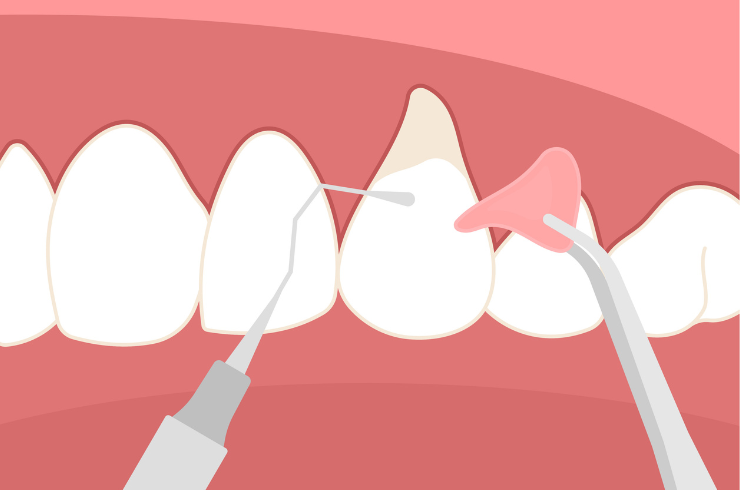
Laser flap surgery may be considered when non-surgical periodontal care is not sufficient and deeper areas beneath the gum line require direct access for thorough cleaning.
Laser flap surgery is an advanced periodontal procedure used to access areas beneath the gum line that cannot be adequately cleaned through routine professional cleaning.
A small section of gum tissue is carefully accessed to allow thorough cleaning of tooth roots and affected periodontal areas. Laser technology may be used during appropriate stages to support precise treatment.
Provides access to deeper areas beneath the gums where bacteria and deposits may accumulate.
Dental laser technology may assist in managing affected tissues with controlled precision during periodontal care.
Helps remove diseased tissue and deposits from affected periodontal areas to support healthier gum conditions.
A comprehensive periodontal examination is performed before recommending surgical gum treatment to determine the most suitable approach.
Laser flap surgery may be considered when periodontal disease has progressed and deeper areas beneath the gum line require direct access for effective cleaning.
Early periodontal evaluation helps determine the severity of gum disease and whether surgical periodontal care is necessary.
The gums, periodontal pockets, teeth, bone support, and overall oral health are examined to determine the severity of gum disease and appropriate treatment options.
A carefully planned surgical approach provides access to affected areas beneath the gum line, with laser technology used where clinically appropriate.
Bacterial deposits, tartar, and diseased tissue are carefully removed from periodontal pockets and tooth-root surfaces.
The treated gum tissue is carefully repositioned, followed by personalised aftercare and regular periodontal reviews.
Laser flap surgery is designed to provide access to periodontal areas that are difficult to treat through routine cleaning alone.
By addressing deposits and diseased tissue beneath the gum line, it can support better periodontal health and help protect the structures supporting your teeth.
The results depend on the severity of gum disease, overall oral health, response to treatment, and commitment to ongoing periodontal care.
At Cognident Psychiatry and Dental Clinic, we provide personalised periodontal treatment based on the severity and specific characteristics of each patient's gum disease.
Before recommending laser flap surgery, our dental team performs a detailed periodontal evaluation to assess gum health, pocket depth, tooth stability, and supporting structures.
If surgical periodontal treatment is appropriate, the procedure is carefully planned to address affected areas while preserving healthy tissues wherever possible.
We also provide personalised post-procedure instructions and periodontal maintenance guidance. Regular follow-up helps monitor healing and reduce the risk of recurrent gum disease.
Our goal is to help patients manage advanced periodontal problems, support healthier gums, and protect the structures that help keep natural teeth stable.
Find answers to commonly asked questions about laser flap surgery, periodontal treatment, gum disease, recovery, and aftercare.
Laser flap surgery is a periodontal procedure that provides access to areas beneath the gum line so diseased tissue, tartar, and bacterial deposits can be thoroughly treated.
No. It is generally considered when periodontal disease requires access to deeper areas that cannot be adequately managed through non-surgical periodontal care. A detailed evaluation is required.
Local anaesthesia is used during the procedure to maintain patient comfort. Some tenderness, swelling, or sensitivity may occur temporarily during the healing period.
Treatment time depends on the number of areas being treated and the severity of periodontal disease. Your dentist will explain the expected procedure and treatment timeline during consultation.
Recovery varies depending on the extent of treatment and individual healing. Your dentist will provide specific aftercare instructions and schedule follow-up appointments to monitor recovery.
Periodontal disease requires ongoing management. Surgery can address affected periodontal areas, but maintaining good oral hygiene, regular dental visits, and periodontal maintenance are essential for long-term gum health.
Follow your dentist's instructions regarding oral hygiene, diet, prescribed medications, and follow-up visits. Avoid habits that can interfere with gum healing and maintain regular periodontal care.