
Are you considering dental veneers to improve your smile but unsure whether to choose porcelain or composite veneers?
Both options can improve the appearance of chipped, discoloured, uneven or slightly spaced teeth. However, they differ in appearance, durability, cost, stain resistance, repairability and the amount of tooth preparation required.
So, which is better: porcelain veneers or composite veneers? The answer depends on your teeth, smile goals, budget and long-term expectations.
If you’re exploring dental veneers in Madhapur or Hyderabad, this guide explains the key differences to help you make an informed decision.
What Are Dental Veneers?
Dental veneers are thin, tooth-coloured restorations bonded to the front surface of teeth to improve their shape, colour, size and overall appearance.
They may be considered for:
- Permanently discoloured teeth
- Chipped or worn front teeth
- Uneven tooth shapes or proportions
- Small gaps between teeth
- Selected cosmetic smile corrections
The two common options are porcelain veneers and composite veneers. Both can produce attractive results when appropriately planned, but they work differently.
What Is the Difference Between Porcelain and Composite Veneers?
Porcelain veneers are custom-made ceramic restorations, usually fabricated outside the mouth and bonded to the teeth.
Composite veneers use tooth-coloured composite resin. In direct composite veneers, the dentist sculpts the material directly onto the teeth during the appointment.
Porcelain vs Composite Veneers: A Quick Comparison
| Feature | Porcelain veneers | Composite veneers |
|---|---|---|
| Appearance | Excellent translucency and natural-looking aesthetics | Natural-looking results when carefully shaped and polished |
| Stain resistance | Generally higher | More prone to staining over time |
| Durability | Generally longer-lasting | Usually requires more maintenance |
| Treatment time | Often requires multiple appointments | Direct composite can often be completed in one visit |
| Tooth preparation | May require permanent enamel removal | Often requires less preparation, depending on the case |
| Repair | Damage may require replacement or specialist repair | Minor chips can often be repaired directly |
| Initial cost | Usually higher | Usually more affordable |
| Best suited for | Selected cases needing long-term ceramic aesthetics | Selected cases prioritising conservative treatment, repairability or lower initial cost |
The exact outcome depends on the material, clinical situation, bite, dentist’s technique and your oral hygiene habits.
1. Which Veneers Look More Natural?
Both porcelain and composite veneers can look natural. The difference lies in how the material interacts with light and how precisely the restoration is designed.
Porcelain veneers
Porcelain can reproduce the translucency, depth and surface characteristics of natural enamel. It can be particularly useful when several visible teeth need coordinated changes in colour, shape and proportions.
Composite veneers
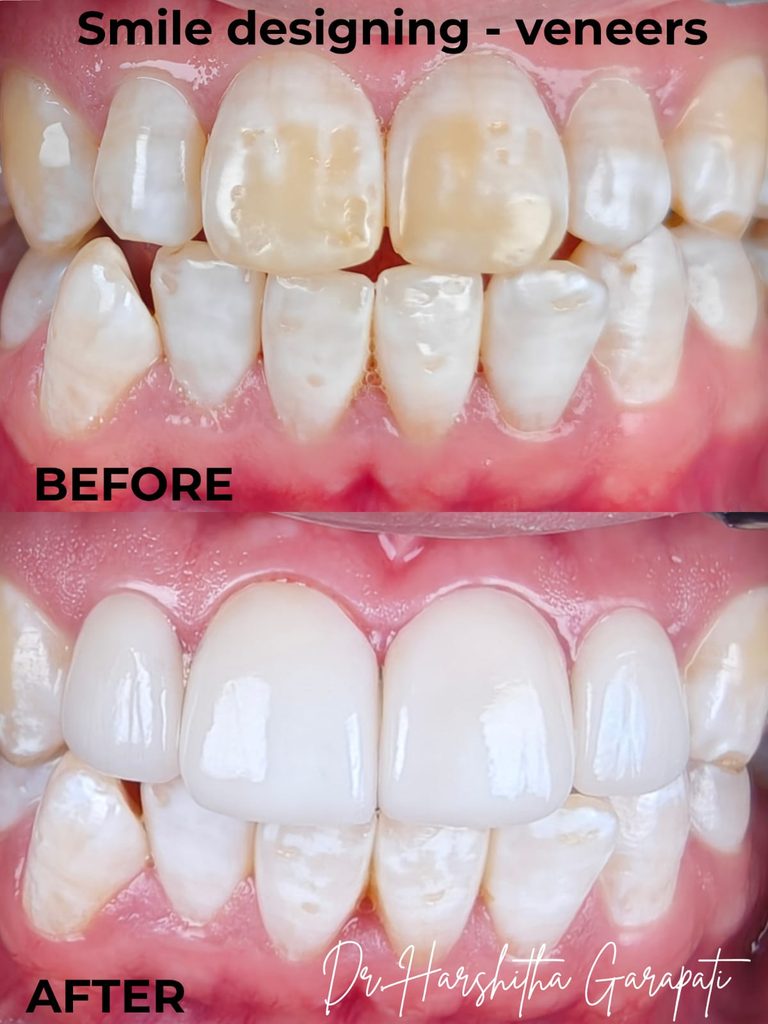
Composite resin can also produce excellent aesthetic results. The dentist builds and shapes the material directly on the tooth, allowing adjustments to contours, edges and surface texture during treatment.
The quality of smile planning and execution matters as much as the material itself. Refer to when you should choose veneers.
2. Which Lasts Longer: Porcelain or Composite Veneers?
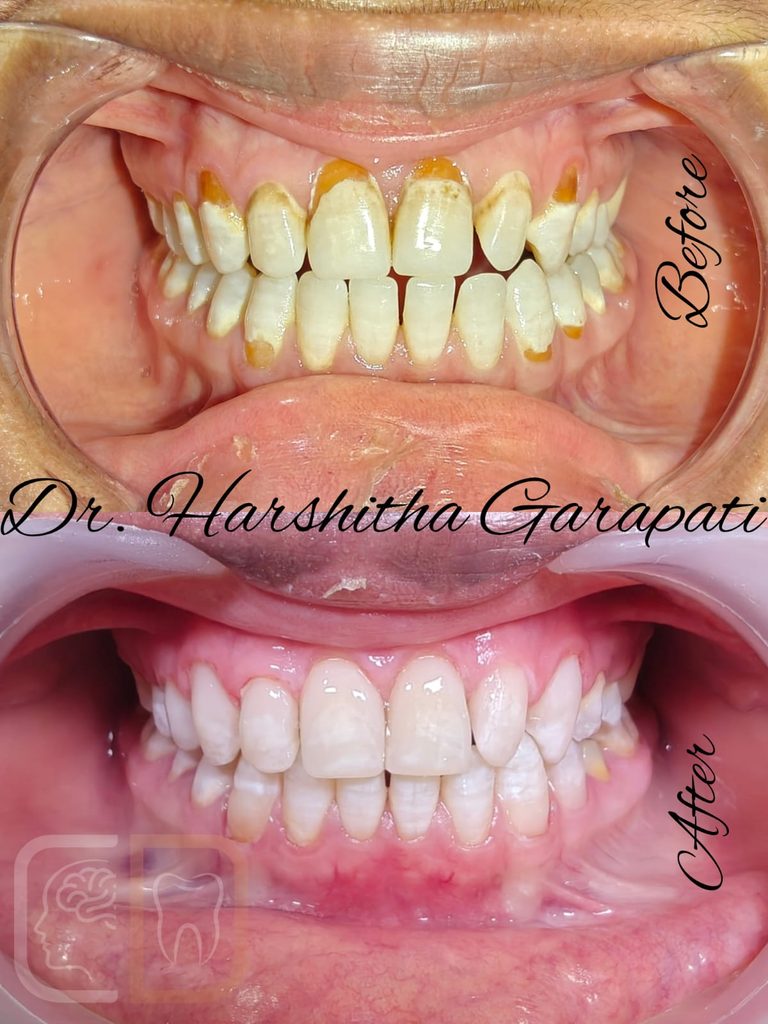
Porcelain veneers generally have a longer clinical lifespan than direct composite veneers, although neither option lasts forever.
Porcelain is relatively resistant to staining and surface wear. However, it can chip, fracture or debond, and a damaged veneer may need repair or replacement.
Composite veneers can wear, chip or lose their polish over time. Their advantage is that many minor defects can be repaired or reshaped without replacing the entire restoration.
There is no single lifespan that applies to every patient. Longevity depends on factors such as:
- Tooth preparation and bonding quality
- Bite forces and teeth grinding
- Oral hygiene and gum health
- Food and lifestyle habits
- Regular dental maintenance
Do not choose veneers based on a promised number of years alone. Ask your dentist about the likely maintenance and replacement needs for your individual case.
3. Are Porcelain Veneers More Expensive Than Composite Veneers?
Generally, yes. Porcelain veneers usually have a higher initial cost because they involve ceramic materials, laboratory fabrication and additional clinical steps.
Direct composite veneers are often more affordable because the material is sculpted on the teeth in the clinic, frequently in a single visit.
However, the total cost depends on the number of teeth, complexity of the case, material selected and treatment planning.
When comparing quotations, ask what is included, whether tooth preparation is required, and what future maintenance or replacement may involve. A lower initial cost does not automatically mean a lower long-term cost.
Who Is a Good Candidate for Porcelain Veneers?
Porcelain veneers may be worth considering if you:
- Want to correct several visible teeth as part of a smile makeover
- Have persistent discolouration that cannot be adequately managed with whitening
- Want coordinated changes in tooth shape and proportions
- Prioritise ceramic aesthetics and stain resistance
- Understand the preparation, maintenance and replacement considerations
They may not be suitable for every tooth or every patient. Active gum disease, untreated decay, inadequate enamel for bonding or significant teeth grinding may affect treatment planning.
Who Is a Good Candidate for Composite Veneers?
Composite veneers may be suitable if you:
- Have small chips or minor shape irregularities
- Want to close selected small gaps when clinically appropriate
- Prefer a more conservative approach
- Want treatment that can often be completed in fewer visits
- Value the ability to repair or modify the restoration
- Prefer a lower initial treatment cost
Composite is not automatically the best choice for every minor concern. If adding material would make teeth look bulky or interfere with the bite, another treatment may provide a better result.
Porcelain vs Composite Veneers: Which Is Better for You?
There is no universal winner.
Porcelain veneers may be the better choice when ceramic aesthetics, stain resistance and longer-term performance are priorities, and the required preparation is acceptable.
Composite veneers may be the better choice when a conservative correction, easier repair, fewer visits or lower initial cost is more important.
For some patients, neither veneer option is the first choice. Whitening, orthodontics or a simpler composite bonding procedure may address the concern with less intervention.
The best treatment is the one that achieves your smile goals while preserving as much healthy tooth structure as possible.
Porcelain and Composite Veneers in Madhapur, Hyderabad
If you’re searching for porcelain veneers, composite veneers or smile designing in Madhapur, Hyderabad, a personalised assessment can help you understand which option suits your teeth.
At COGNIDENT – Psychiatry | Dental Clinic, Madhapur, Hyderabad, our approach to smile designing considers tooth colour, shape, proportions, gum health, bite and the amount of natural tooth structure that can be preserved.
Whether you’re considering composite bonding for a chipped tooth or porcelain veneers for a broader smile transformation, our lead specialist Dr. Harshtitha Garapati can discuss the available options, expected maintenance and limitations before treatment.
Book a smile designing consultation at COGNIDENT to explore porcelain veneers, composite veneers and other conservative cosmetic dental options in Madhapur and Hitech City, Hyderabad.
Frequently Asked Questions
Are porcelain veneers better than composite veneers?
Porcelain veneers generally offer better stain resistance and longer-term performance, while composite veneers are often more affordable initially and easier to repair. The better option depends on your teeth, treatment goals and expectations.
Are composite veneers worth it?
They can be an excellent option for suitable cases involving minor chips, shape corrections or small gaps. Their value depends on the expected result, maintenance requirements and how well the material suits your bite and tooth condition.
Can composite veneers look as natural as porcelain?
Yes, composite veneers can look very natural when carefully planned, sculpted and polished. Porcelain may offer advantages in translucency and long-term colour stability, particularly in complex aesthetic cases.
Can I switch from composite veneers to porcelain veneers later?
Sometimes, but it depends on the condition of your teeth, the existing composite and whether additional preparation would be needed. Switching is not guaranteed to be straightforward or suitable for everyone.
Do veneers damage natural teeth?
Veneers do not automatically damage teeth, but treatment can involve removing enamel, especially with porcelain veneers. Once enamel is removed, it does not grow back. Careful case selection and conservative planning are important.
Can I get veneers if I have crooked teeth?
Some minor irregularities can be managed with veneers, but significant crowding or bite problems may be better treated with orthodontics. Placing veneers without addressing tooth position can result in excessive bulk or unnecessary tooth preparation.
Do porcelain and composite veneers need special care?
Both require regular brushing, cleaning between teeth, dental check-ups and attention to gum health. Avoid using your teeth to bite hard objects, and discuss a night guard if you grind your teeth. Refer to the procedure and aftercare of veneers.