The Truth About Facial Asymmetry: It’s More Common Than You Think
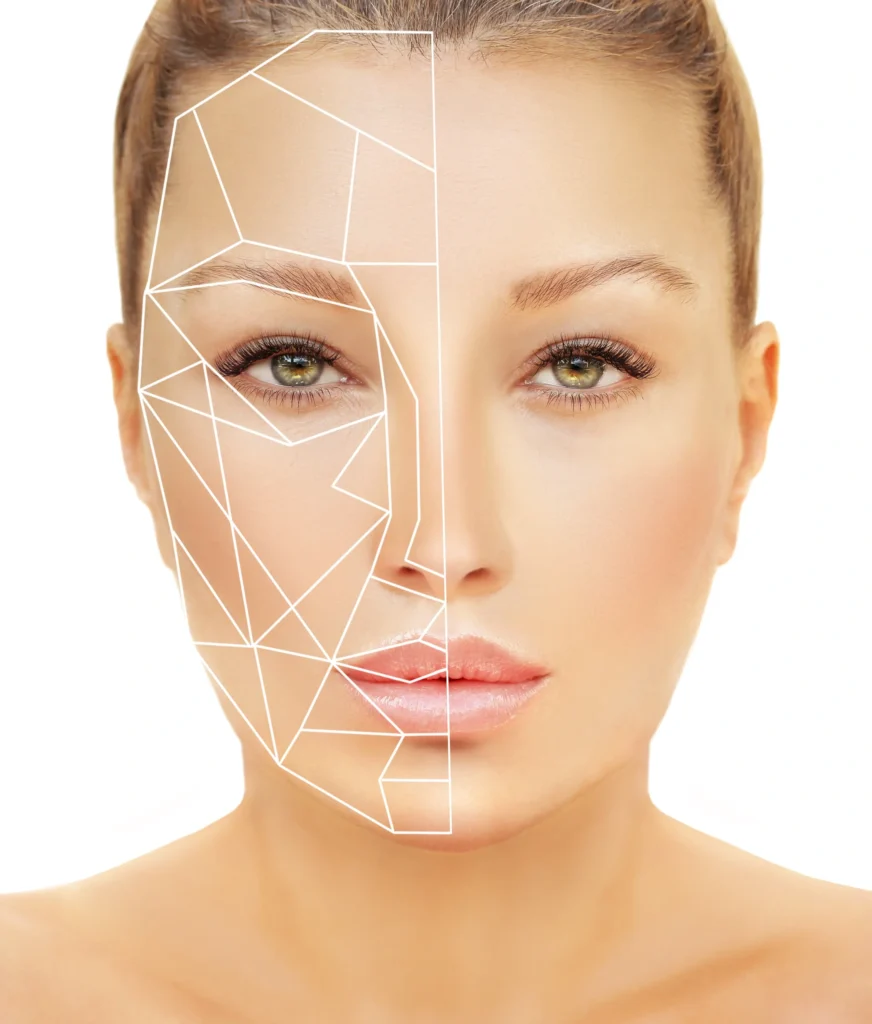
Did you know that nearly everyone has some degree of facial asymmetry? From subtle differences in eye positioning to slight variations in jawline contour, minor imbalances are not only normal—they’re the rule, not the exception. In fast-paced urban environments like Hyderabad and across Telangana, increased self-awareness through video calls and social media has led more people to notice these small discrepancies. However, most are harmless and fall well within the natural spectrum of human variation.
Facial asymmetry occurs due to a combination of genetic factors, growth patterns, and lifestyle influences such as sleep position, chewing habits, and even prolonged phone use. While dramatic changes or sudden onset asymmetry may warrant professional evaluation, everyday differences are typically nothing to worry about. In fact, symmetrical faces are so rare that symmetry itself can sometimes look unnatural.
This section will explore what causes facial asymmetry, how to distinguish between normal variation and conditions needing attention, and practical ways to monitor changes over time. You’ll also learn when and how to seek guidance from qualified healthcare providers who understand both aesthetic and functional concerns. By the end, you’ll have a clearer, more confident perspective on your unique facial structure.
What Causes Facial Asymmetry? Understanding the Common Factors
Facial asymmetry is more common than many realize, with subtle or noticeable differences in the left and right sides of the face affecting people across all age groups. While a perfectly symmetrical face is often idealized, slight imbalances are typically normal and can stem from a range of natural, behavioral, and medical factors. Genetics play a foundational role—just as eye color or height are inherited, so too can be the structure and alignment of facial bones and soft tissues. Over time, aging naturally contributes to asymmetry as collagen depletes, fat pads shift, and muscle tone diminishes unevenly, especially in urban populations where environmental stressors may accelerate these changes.
Habitual behaviors also influence facial balance. Chewing consistently on one side, resting your face on one hand, or even sleeping on the same side each night can subtly reshape muscles and jaw alignment over time. Dental misalignment or untreated occlusion issues—common in growing adolescents and adults in cities like Hyderabad—can further exacerbate uneven wear and musculoskeletal strain.
Medical conditions such as Bell’s palsy, temporomandibular joint (TMJ) disorders, or past facial injuries may also lead to pronounced asymmetry. Recognizing the root cause is essential for determining whether intervention is needed. For those concerned about appearance or function, a comprehensive evaluation by a trained specialist can clarify whether the asymmetry is developmental, postural, or pathological—paving the way for tailored treatment options.
When Facial Asymmetry Is Normal vs. When to Seek Help
Facial asymmetry is more common than many realize, but knowing when it’s a natural variation versus a sign of an underlying condition can guide timely, appropriate care. Follow these steps to assess your situation and decide if a professional evaluation is necessary.
- Observe Your Reflection Under Even Lighting
Stand in front of a mirror with balanced lighting and look straight ahead. Note any differences in eyebrow height, eye shape, cheek fullness, or jaw alignment. Minor variations are typically harmless and part of normal human anatomy—few faces are perfectly symmetrical. - Check for Sudden or Progressive Changes
If you notice recent shifts—such as one side of the face drooping, difficulty smiling evenly, or uneven tear flow—it could indicate nerve involvement like facial nerve palsy or Bell’s palsy. Rapid changes warrant prompt assessment, especially if accompanied by pain, numbness, or muscle weakness. - Evaluate Functional Symptoms
Pay attention to chewing, speaking, or closing your eyes. Misalignment affecting function may point to temporomandibular joint (TMJ) disorders, muscle imbalances, or skeletal discrepancies requiring intervention. - Review Medical and Dental History
Past injuries, childhood infections, or untreated jaw growth issues can contribute to long-term asymmetry. Dentists and specialists in oral medicine often identify patterns linked to habits like prolonged thumb-sucking or unilateral chewing. - Consult a Healthcare Provider in Hyderabad or Telangana
For persistent, worsening, or functionally limiting asymmetry, schedule an evaluation with a clinic offering integrated dental and medical assessments. Early diagnosis supports conservative, effective treatment planning tailored to your unique facial structure and lifestyle needs.
7 Treatment Options for Facial Asymmetry: From Non-Invasive to Surgical Solutions
Facial asymmetry is more common than many realize, and while subtle imbalances are often natural, noticeable differences can impact self-confidence and oral function. Fortunately, multiple treatment pathways exist—ranging from conservative therapies to advanced surgical correction—each tailored to the underlying cause, severity, and patient goals. Understanding these options helps in making informed decisions aligned with both aesthetic desires and health needs.
- Orthodontic Correction
For asymmetry caused by jaw or tooth misalignment, customized orthodontic plans using braces or clear aligners can gradually shift dental structures into proper balance. This non-surgical approach is ideal for younger patients or those with mild midline deviations, chin deviation, especially in urban clinics across Hyderabad offering digital treatment planning. - Dermal Fillers for Soft Tissue Balance
Hyaluronic acid-based fillers restore volume in sunken cheeks or uneven lips, offering immediate, temporary symmetry. This in-office solution is minimally invasive, with little downtime—perfect for professionals in fast-paced Telangana cities seeking subtle enhancements without surgery. - Botulinum Toxin (Botox) Therapy
Used strategically, Botox relaxes overactive muscles that cause uneven facial movements, such as crooked smiles or asymmetrical eyebrow heights. Results appear within days and last several months, making it a popular maintenance option. - Customized Occlusal Adjustment
When bite misalignment contributes to asymmetry, selective enamel contouring or orthotic devices can realign jaw positioning, reducing strain and improving facial harmony over time. - Facial Implants
For permanent structural correction, implants in the chin, cheek, or jaw provide long-term definition and balance. Suitable for patients with congenital or post-traumatic asymmetry, these are often combined with other procedures. - Rhinoplasty – More Than Just a Nose Job – corrects any septal deviations
- Orthognathic (Jaw) Surgery
In cases of significant skeletal imbalance—such as uneven jaw growth—corrective jaw surgery repositions the upper or lower jaw – genioplasty, Anterior maxillary Osteotomy, Bilateral Sagittal mandibular setback. This definitive treatment improves both appearance and function, including breathing and chewing. - Combination Therapy Approach
Many patients in Hyderabad benefit from a multidisciplinary plan—starting with orthodontics, followed by surgery, then refined with injectables. A structured, staged approach ensures optimal, natural-looking outcomes tailored to individual anatomy and lifestyle.
Your Questions About Facial Asymmetry—Answered
Is facial asymmetry normal or a sign of something serious?
Mild facial asymmetry is actually very common and considered a natural part of human anatomy. Most people have slight differences in the size or position of facial features like eyes, ears, or cheeks. However, sudden or pronounced changes—especially those accompanied by pain, muscle weakness, or nerve symptoms—may indicate an underlying medical condition and should be evaluated by a qualified healthcare provider in Hyderabad or your local area.
Can dental issues contribute to facial asymmetry?
Yes, long-term dental problems like uneven wear, missing teeth, or TMJ (temporomandibular joint) disorders can alter jaw alignment and lead to noticeable asymmetry. Chronic teeth grinding (bruxism), often stress-related, may also cause uneven muscle development on one side of the face.
Do cosmetic procedures effectively correct facial asymmetry?
Non-surgical options such as dermal fillers, neuromodulators (like Botox), and facial contouring treatments can balance minor asymmetries by enhancing symmetry and volume. For more significant corrections, orthodontics or orthognathic (jaw) surgery may be recommended by specialists trained in facial harmony.
Does facial asymmetry worsen with age?
Natural aging processes, including volume loss, skin laxity, and repetitive facial movements, can accentuate existing asymmetries. Sun exposure, lifestyle habits, and gravity play a role, making preventive skincare and early intervention valuable for long-term facial balance.
Can sleeping position or diet affect facial symmetry?
While no strong clinical evidence confirms that sleeping on one side permanently distorts facial structure, habitual pressure may contribute to uneven skin aging. Similarly, poor nutrition affecting bone or soft tissue development, especially during growth phases, can influence facial symmetry over time.
Should I consult a specialist in Hyderabad for facial asymmetry concerns?
If asymmetry impacts your confidence or function—such as difficulty chewing, speaking, or facial expression—seek evaluation from integrated care providers who assess both dental and muscular factors. Urban clinics in Telangana now offer multidisciplinary assessments combining dentistry, aesthetics, and wellness for comprehensive results.
Understanding Facial Asymmetry: What You Need to Know
Facial asymmetry is far more common than many realize, with subtle differences between the left and right sides of the face appearing in the majority of individuals. While often a natural variation, noticeable imbalances can stem from developmental factors, muscular differences, or underlying conditions affecting nerves or bone structure. In fast-paced urban environments like Hyderabad and across Telangana, rising awareness has led more patients to seek clarity on what’s normal, when to be concerned, and how best to manage visible asymmetry.
Key factors influencing facial symmetry include genetics, prolonged sleep position, dental alignment, and habits such as favoring one side when chewing. Conditions like Bell’s palsy or trauma can also contribute, making early assessment crucial. For most, mild asymmetry requires no intervention, but for those experiencing functional issues—difficulty speaking, chewing, or jaw pain—or emotional discomfort due to appearance, personalized treatment options are available.
Corrective approaches range from orthodontics and facial exercises to advanced restorative dentistry or, in select cases, surgical referral. The goal isn’t perfection but balance—achieving facial harmony that supports both function and confidence.
If asymmetry affects your daily life or self-esteem, consider consulting a specialist in Hyderabad to treat facial asymmetry. Taking the first step toward evaluation can lead to meaningful improvements in both oral health and overall well-being.