
Written & medically reviewed by Dr. Harshitha Garapati
BDS, MDS (Conservative Dentistry & Endodontics)
Endodontist, COGNIDENT
What Is a Cracked Tooth?
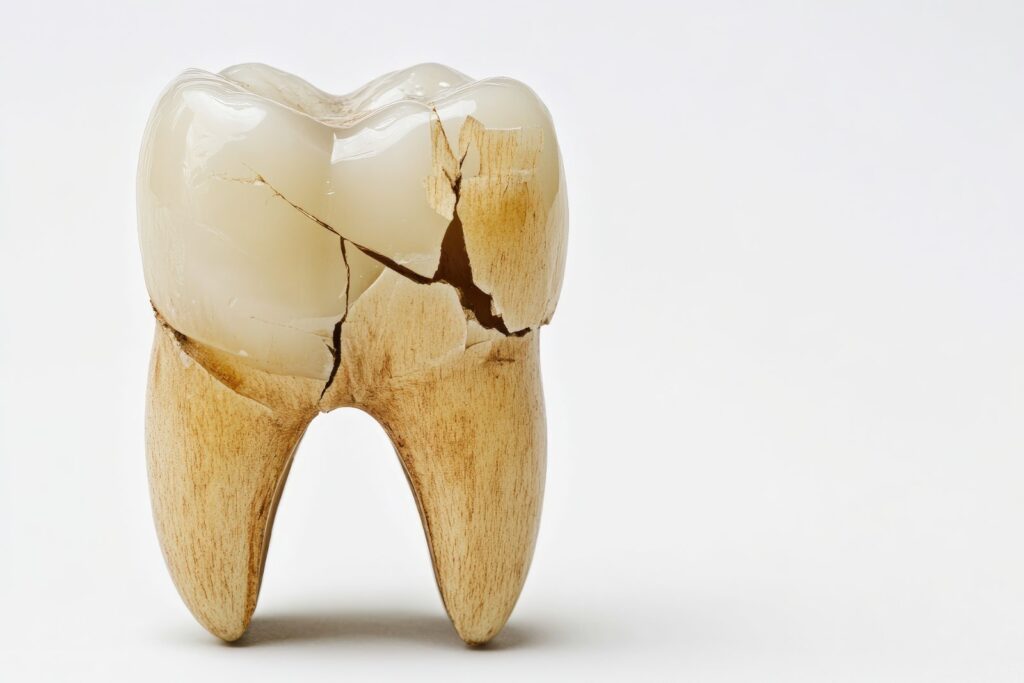
A cracked tooth happens when a break or split forms in your tooth. Sometimes, the crack is small and hard to see. Other times, it can be deep and painful. Because a cracked tooth can get worse over time, early care is important. According to the American Dental Association, cracked teeth are a common dental problem. Many people do not notice a crack until they feel pain or sensitivity. For this reason, knowing the signs of a cracked tooth can help you get treatment sooner.
Common Symptoms of a Cracked Tooth
Often, symptoms of a cracked tooth can be mild at first. However, they may get worse if left untreated. Watch for these signs of a cracked tooth:
- Pain when chewing or biting, especially when you release the bite
- Sensitivity to hot, cold, or sweet foods and drinks
- Swelling of the gums around the tooth
- Sharp pain that comes and goes
- Discomfort that is hard to locate
Sometimes, you may not see a crack, but you still feel pain. Therefore, it is important to visit a dentist if you notice these symptoms.
Causes of Cracked Teeth
Many things can cause a cracked tooth. Some cracks happen suddenly, while others develop over time. Here are common causes:
- Biting down on hard foods, such as ice, nuts, or hard candy
- Injury to the mouth, like a fall or sports accident
- Teeth grinding or clenching, also called bruxism
- Large fillings that weaken the tooth
- Sudden changes in mouth temperature, such as eating something hot and then drinking something cold
- Age, since teeth can become weaker over time
Because these causes are common, anyone can get a cracked tooth. Still, you can lower your risk with good dental care for cracked teeth.
How Dentists Diagnose a Cracked Tooth
Diagnosing a cracked tooth can be tricky. Sometimes, cracks are too small to see with the naked eye. Even so, dentists use several methods to find them. For example, your dentist may:
- Ask about your symptoms and dental history
- Examine your mouth and teeth closely
- Use a dental explorer to feel for cracks
- Shine a bright light or use a special dye to highlight cracks
- Take dental X-rays, though small cracks may not show up
- Have you bite down on a special tool to see if pain occurs
Because early diagnosis can prevent bigger problems, it is wise to see a dentist if you suspect a cracked tooth.
Treatment Options for a Cracked Tooth
Treatment for a cracked tooth depends on how deep or wide the crack is. Your dentist will suggest the best way to fix a cracked tooth. Common cracked tooth treatments include:
- Bonding: Dentists use a tooth-colored resin to fill small cracks.
- Crown: A cap covers and protects the cracked tooth.
- Root canal: If the crack reaches the tooth’s pulp, a root canal may save the tooth.
- Extraction: If the crack is severe and the tooth cannot be saved, removal may be needed.
Because each case is different, your dentist will explain which cracked tooth treatment is right for you. Early treatment often leads to better results.
Prevention Tips
While not all cracks can be avoided, you can lower your risk. Try these tips for better dental care for cracked teeth:
- Do not chew on hard objects like ice or pens
- Wear a mouthguard during sports or if you grind your teeth at night
- Visit your dentist for regular checkups and cleanings
- Brush and floss daily to keep teeth strong
- Avoid sudden temperature changes in your mouth
By following these steps, you help protect your teeth from cracks and other damage.
When to See a Dentist
If you notice signs of a cracked tooth, do not wait. Even if pain is mild, a crack can get worse. Therefore, see a dentist as soon as possible. Early care can save your tooth and prevent infection. If you need help, find a dentist near you for advice and treatment.
If you suspect a cracked tooth, consult Cognident – Psychiatry and Dental Clinic for personalized advice and treatment. Early care can make a significant difference.