The Hidden Threat Lurking in Your Smile
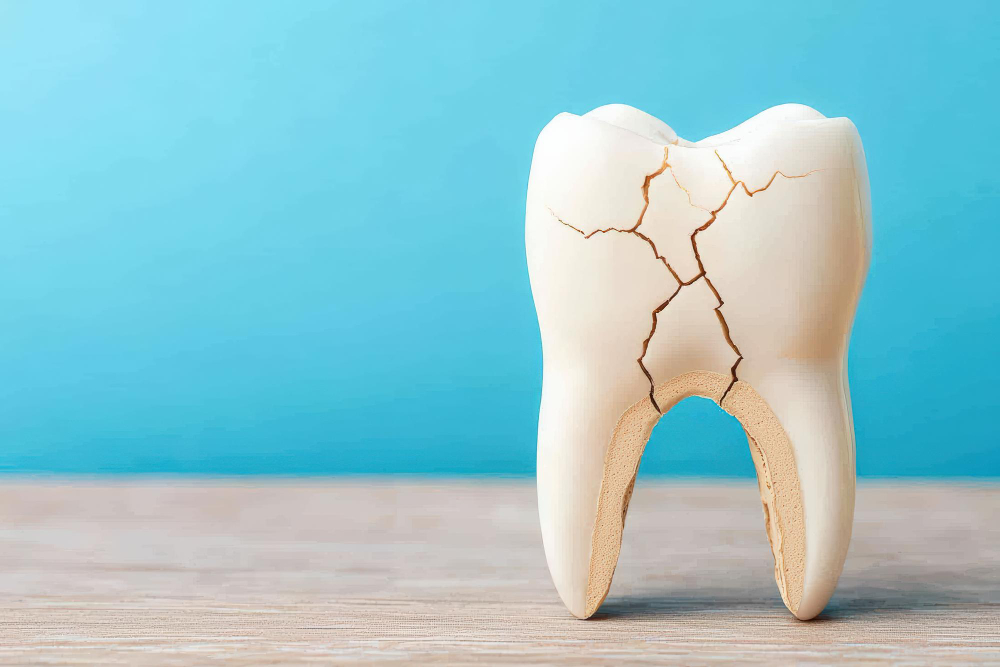
Cracked teeth are more than just a cosmetic concern—they’re a silent threat that can escalate into severe dental complications if left undetected. In bustling urban centers like Hyderabad and across Telangana, rising awareness around oral health has spotlighted one often-overlooked issue: microfractures in teeth that begin without pain but can lead to infection, tooth loss, or costly restorative procedures. These tiny cracks, sometimes invisible to the naked eye, frequently develop from everyday behaviors—clenching, grinding, chewing hard foods, or sudden temperature shifts from hot tea to cold drinks.
What makes tooth cracks particularly dangerous is their stealthy progression. Unlike cavities, which often come with sensitivity or visible damage, cracks may not trigger symptoms until significant structural compromise occurs. This delay in detection is especially common among professionals and adults with high-stress lifestyles, where nocturnal bruxism (teeth grinding) accelerates wear.
In this guide, you’ll learn how to identify early warning signs—like intermittent pain when biting or swelling around a tooth—and understand the different types of fractures, from superficial enamel cracks to deep, tooth-splitting splits. You’ll also discover practical steps to minimize risk, including protective habits and routine assessments that can catch problems before they worsen—ensuring your smile stays strong, functional, and intact.
5 Types of Tooth Cracks You Should Never Ignore
Tooth cracks might seem minor, but they can lead to serious dental complications if left untreated. Understanding the different types helps identify early signs and determine when to seek professional attention—especially in regions like Hyderabad and Telangana where diet and lifestyle factors can increase risk.
- Craze Lines – The Silent Surface Flaws
These are tiny, superficial cracks in the enamel that rarely cause pain. Common in adults, they’re often found during routine checkups. While mostly cosmetic, monitoring is key—deepening lines may signal grinding or excessive biting force. - Fractured Cusps – When a Bite Goes Too Far
Typically occurring around fillings, this crack affects the chewing surface, especially on molars. You may feel discomfort when biting, but pulp damage is uncommon. Left untreated, it can progress into deeper fractures. - Cracked Tooth – A Deep and Dangerous Split
This vertical crack extends from the chewing surface toward the root. It often causes sharp pain when biting and sensitivity to temperature. Without intervention, the tooth may split completely, requiring extraction. - Split Tooth – Beyond Repair
A crack that divides the tooth into separate segments. Usually a result of untreated cracking, it compromises structural integrity. In most cases, only a portion can be saved, if at all. - Vertical Root Fracture – Hidden Beneath the Surface
Starting at the root and extending upward, these cracks are hard to detect and often discovered only when infection or gum swelling occurs. They’re commonly linked to past root canals and typically require extraction.
Early detection is crucial—don’t wait for pain to act.
What Sparks Cracked Teeth? Uncovering the Root Causes and Risk Factors
Cracked teeth don’t happen overnight—most develop from a mix of everyday habits, physical stressors, and underlying vulnerabilities. Understanding the common triggers can help you take preventive action before a minor fracture becomes a major dental emergency. In fast-paced lifestyles across urban centers like Hyderabad and throughout Telangana, increased strain on teeth from diet, stress, and wear patterns makes this issue more prevalent than many realize.
One of the leading causes is occlusal trauma—the medical term for excessive biting force. This often stems from bruxism (nighttime teeth grinding), which exerts intense pressure, especially in high-stress environments. Chewing on hard foods like ice, nuts, or hard candies can also create sudden fissures, particularly in teeth already weakened by large fillings or previous restorations.
Poor dental anatomy and unbalanced bite alignment increase susceptibility. Teeth that are misaligned or have uneven contact points bear more stress, raising the likelihood of cracks over time. Additionally, sudden temperature shifts—like biting into something hot after a cold drink—can trigger thermal shock, leading to microfractures.
Other risk factors include:
- Age: Natural wear and tear increase crack risk over time
- Untreated cavities: Decay weakens tooth structure
- Trauma: Accidents, sports injuries, or even nail-biting contribute
- Large amalgam fillings: Older restorations that don’t support the tooth structure
Recognizing these causes empowers proactive care—protecting your smile from silent, progressive damage.
How to Identify a Cracked Tooth: A Step-by-Step Guide to Symptoms and Diagnosis
Cracked teeth don’t always announce themselves with intense pain—often, they start subtly and worsen over time, becoming a hidden threat to your oral health. Recognizing the warning signs early can prevent more serious complications like infections, tooth loss, or the need for root canal therapy. Whether you’re in Hyderabad or anywhere across Telangana, here’s how to detect a cracked tooth and understand the diagnostic process.
Common Symptoms of a Cracked Tooth
Many cracked teeth go unnoticed initially because symptoms can come and go. However, warning signs may include:
- Sharp pain while biting or chewing
- Teeth sensitive to cold drinks or sweets
- Pain that appears suddenly and disappears quickly
- Swelling around the affected tooth
- Discomfort while releasing bite pressure
- A feeling that “something is not right” while chewing
Cracked teeth may react to temperature extremes—particularly cold or sweet stimuli—but the sensitivity typically comes and goes, localized to one specific tooth.
How Dentists Diagnose Tooth Cracks
- Inspect Visually
Using a mirror and good lighting and magnification like dental loupes or microscope to visually inspect your teeth for cracks. - Use a Dental Explorer
Dentists use this tool to run along tooth surfaces; a catching sensation may indicate a crack. At home, avoid probing with sharp objects to prevent damage. - Undergo a Dye Test or Transillumination
Clinics use special dyes or light beams (transillumination) to highlight fracture lines. These non-invasive methods are critical for detecting microscopic splits. - Get a Bite Test
Your dentist may have you bite down on a stick or wedge; pain upon release often signals a cracked tooth. - Request Radiographic Imaging or 3D CBCT
While X-rays may not always show cracks, they help rule out other issues like decay or bone loss, supporting an accurate diagnosis. 3D CBCT offers a better picture to find the presence of cracks running deeper.
Early detection means simpler, more conservative treatment—don’t wait until the pain becomes constant.
How Treatment Options Vary Based on Crack Severity and Location
Not all tooth cracks are the same—treatment depends heavily on how deep the crack goes, where it’s located, and whether it affects the pulp or root. Early detection often allows for conservative treatments, while advanced fractures may require more complex interventions. Understanding the severity helps in making timely decisions that preserve natural tooth structure.
Dental Bonding
Superficial enamel cracks, often seen on front teeth, usually don’t penetrate deeper layers. These can typically be managed with smoothing, bonding, or preventive monitoring. Since they rarely cause pain or structural compromise, treatment focuses on aesthetics and preventing progression.
Dental Crowns
When a crack extends into the dentin layer—known as a cracked tooth—the situation becomes more serious. These often cause sharp pain when biting and may lead to pulp inflammation. In such cases, a dental crown is frequently recommended to stabilize the tooth and prevent splitting. Early crowning significantly improves the chances of long-term survival.
Root Canal Treatment
If the crack reaches the pulp, root canal treatment followed by restoration becomes necessary.
Night Guards
Custom night guards help protect teeth from grinding and prevent further cracking.
Tooth Extraction
In extreme cases, especially when the fracture extends below the gumline or into the root, extraction may be unavoidable. For patients in Hyderabad and across Telangana, prompt evaluation by a dental specialist ensures accurate diagnosis using clinical tests and imaging.
No matter the severity, early intervention is key—delaying treatment can turn a fixable crack into a lost tooth. Book your dental appointment today for an early evaluation and protect your smile before the damage worsens.
Your Top Questions About Tooth Cracks—Answered
What exactly causes teeth to crack?
Tooth fractures can stem from several factors, including sudden biting pressure on hard foods, untreated cavities weakening enamel, or long-term grinding (bruxism). Trauma from sports or accidents also contributes. In Hyderabad and across Telangana, dietary habits involving nuts, seeds, or hard sweets may increase risk, especially if preventive care is delayed.
Are all tooth cracks the same?
No—cracks vary in severity. Craze lines are superficial and harmless, while fractured cusps often occur around fillings. More serious are split teeth or vertical root fractures, which extend below the gum line and typically require advanced intervention to save the tooth.
How do I know if I have a cracked tooth?
Symptoms include sharp pain when chewing, sensitivity to hot or cold, or lingering discomfort without obvious decay. Some cracks are invisible to the naked eye, making diagnosis challenging. Dentists use magnification, transillumination, and bite tests to detect hidden fractures.
Can a cracked tooth heal on its own?
Unlike bones, tooth enamel cannot regenerate. Minor surface cracks may not worsen immediately, but untreated structural fractures will progress. Early treatment like bonding, crowns, or root canals prevents further damage and preserves natural dentition.
What happens if I ignore a cracked tooth?
Delaying care risks pulp infection, abscess formation, or complete tooth loss. The longer a crack goes untreated, the more complex and costly the solution becomes—potentially requiring extraction and replacement with implants or bridges.
How can I prevent tooth cracks?
You can reduce your risk by:
- Avoiding chewing ice or hard objects
- Wearing a mouthguard during sports
- Treating teeth grinding early
- Visiting your dentist regularly
- Restoring weak teeth before fractures develop
When should I seek emergency dental care?
If you experience sudden, severe pain, swelling, or a visible crack with sensitivity, seek immediate attention. Pain that radiates or disrupts sleep often signals irreversible pulp damage needing urgent treatment.
Catch Cracks Early—Before They Compromise Your Smile
Tiny cracks in teeth may seem minor, but left undetected, they can lead to serious complications—including fractures, infections, and even tooth loss. The good news? Early identification dramatically improves treatment outcomes and helps preserve natural tooth structure. Regular dental checkups play a crucial role in spotting these silent threats, often before symptoms arise. In cities like Hyderabad and across Telangana, where diets rich in hard or sticky foods are common, proactive monitoring is especially important.
During routine visits, dental professionals use clinical evaluation techniques and magnification tools to detect microfractures that aren’t visible to the naked eye. These subtle signs—like craze lines, temperature sensitivity, or intermittent pain when chewing—are often the first indicators of structural compromise. Catching them early allows for minimally invasive interventions, such as dental sealants, bonding, or protective occlusal guards, which can prevent progression.
To stay ahead of damage:
- Schedule comprehensive exams every six months
- Report any sensitivity or discomfort immediately
- Avoid using teeth as tools or chewing on hard objects
- Consider a custom night guard if you grind or clench
If you are searching for the “best dental clinic me in Madhapur, Hitech city” for cracked tooth treatment, CogniDent offers advanced diagnosis and treatment for cracked teeth, fractured teeth, tooth pain while chewing, and dental sensitivity. Cracked teeth are one of the most common yet overlooked dental problems and can lead to severe toothache, infection, root canal treatment, or tooth loss if left untreated. At CogniDent, we provide expert care for cracked molars, broken teeth, enamel fractures, vertical tooth cracks, and split teeth using modern dental technology. Our treatments include dental crowns, tooth-colored fillings, root canal therapy, smile restoration, and preventive solutions for teeth grinding and clenching. If you are experiencing sharp tooth pain, sensitivity to cold foods, pain while biting, or a cracked tooth after chewing hard food, schedule a consultation with our experienced dental team in Madhapur, Hyderabad. Don’t wait for pain to signal a problem. By prioritizing prevention and regular care, you protect both your oral health and long-term smile function. Take charge today—your teeth will thank you tomorrow.