Laser Flap Surgery

Healthy gums provide essential support to your teeth. Advanced gum disease can cause deep periodontal pockets, inflammation, bleeding, and damage to the tissues supporting your teeth.

At Cognident Psychiatry and Dental Clinic in Madhapur, we provide personalised periodontal care, including laser-assisted flap surgery when clinically appropriate.

This approach uses dental laser technology to help access infected areas, remove diseased tissue and deposits, and support healthier gum tissues.
Laser Flap Surgery

Laser flap surgery may be considered when non-surgical periodontal care is not sufficient and deeper areas beneath the gum line require direct access for thorough cleaning.

What Is Laser Flap Surgery?

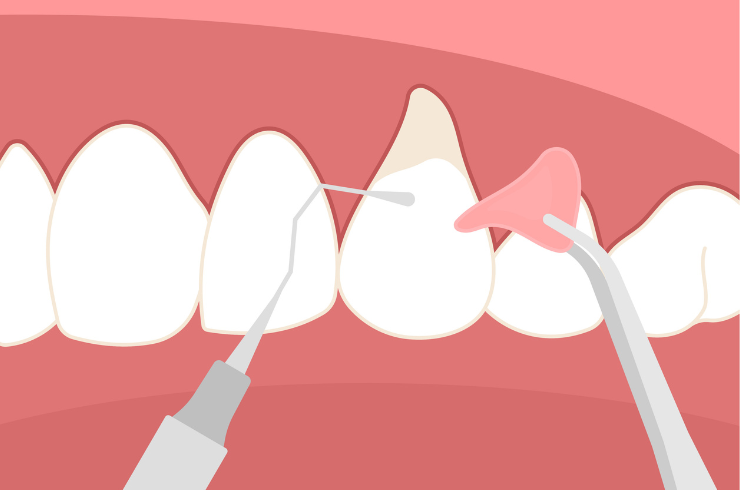
Laser flap surgery is an advanced periodontal procedure used to access areas beneath the gum line that cannot be adequately cleaned through routine professional cleaning.

A small section of gum tissue is carefully accessed to allow thorough cleaning of tooth roots and affected periodontal areas. Laser technology may be used during appropriate stages to support precise treatment.

Deep Periodontal Access

Provides access to deeper areas beneath the gums where bacteria and deposits may accumulate.

Laser-Assisted Treatment

Dental laser technology may assist in managing affected tissues with controlled precision during periodontal care.

Diseased Tissue Management

Helps remove diseased tissue and deposits from affected periodontal areas to support healthier gum conditions.

Laser Flap Surgery May Help Address:

  • Deep periodontal pockets
  • Advanced gum infection
  • Persistent gum inflammation
  • Bacterial deposits beneath gums
  • Periodontal tissue damage
  • Gum disease not responding to non-surgical care
  • Difficult-to-access gum areas
  • Supporting tissue concerns around teeth

A comprehensive periodontal examination is performed before recommending surgical gum treatment to determine the most suitable approach.

When Should You Consider Laser Flap Surgery?

Laser flap surgery may be considered when periodontal disease has progressed and deeper areas beneath the gum line require direct access for effective cleaning.

  • Persistent gum bleeding
  • Swollen or tender gums
  • Deep periodontal pockets
  • Persistent bad breath
  • Gum recession
  • Loose or shifting teeth
  • Repeated gum infections
  • Continued periodontal problems despite cleaning

Early periodontal evaluation helps determine the severity of gum disease and whether surgical periodontal care is necessary.

Laser Flap Surgery Treatment Approach

Comprehensive Periodontal Assessment

The gums, periodontal pockets, teeth, bone support, and overall oral health are examined to determine the severity of gum disease and appropriate treatment options.

  • Gum health evaluation
  • Periodontal pocket assessment
  • Bone support evaluation
  • Personalised treatment planning

Laser-Assisted Gum Access

A carefully planned surgical approach provides access to affected areas beneath the gum line, with laser technology used where clinically appropriate.

  • Access to deep periodontal areas
  • Controlled laser application
  • Targeted periodontal treatment
  • Focus on tissue preservation

Deep Cleaning & Diseased Tissue Removal

Bacterial deposits, tartar, and diseased tissue are carefully removed from periodontal pockets and tooth-root surfaces.

  • Removal of deposits beneath gums
  • Cleaning affected root surfaces
  • Management of infected areas
  • Support for healthier gums

Gum Repositioning & Follow-Up

The treated gum tissue is carefully repositioned, followed by personalised aftercare and regular periodontal reviews.

  • Healing monitoring
  • Aftercare guidance
  • Periodontal maintenance
  • Long-term gum health support

How Can Laser Flap Surgery Help?

Laser flap surgery is designed to provide access to periodontal areas that are difficult to treat through routine cleaning alone.

By addressing deposits and diseased tissue beneath the gum line, it can support better periodontal health and help protect the structures supporting your teeth.

  • Access deep periodontal pockets
  • Remove bacterial deposits beneath gums
  • Reduce periodontal inflammation
  • Remove diseased periodontal tissue
  • Support healthier gum tissues
  • Improve periodontal pocket conditions
  • Help protect supporting tooth structures
  • Support long-term periodontal maintenance

The results depend on the severity of gum disease, overall oral health, response to treatment, and commitment to ongoing periodontal care.

Why Choose Cognident for Laser Flap Surgery in Madhapur?

At Cognident Psychiatry and Dental Clinic, we provide personalised periodontal treatment based on the severity and specific characteristics of each patient's gum disease.

Before recommending laser flap surgery, our dental team performs a detailed periodontal evaluation to assess gum health, pocket depth, tooth stability, and supporting structures.

If surgical periodontal treatment is appropriate, the procedure is carefully planned to address affected areas while preserving healthy tissues wherever possible.

  • Detailed periodontal assessment
  • Personalised surgical planning
  • Laser-assisted periodontal care
  • Focus on preserving healthy tissues
  • Post-procedure care guidance
  • Regular healing monitoring
  • Periodontal maintenance support
  • Comprehensive dental services

We also provide personalised post-procedure instructions and periodontal maintenance guidance. Regular follow-up helps monitor healing and reduce the risk of recurrent gum disease.

Our goal is to help patients manage advanced periodontal problems, support healthier gums, and protect the structures that help keep natural teeth stable.

Frequently Asked Questions

Find answers to commonly asked questions about laser flap surgery, periodontal treatment, gum disease, recovery, and aftercare.

What is laser flap surgery?

Laser flap surgery is a periodontal procedure that provides access to areas beneath the gum line so diseased tissue, tartar, and bacterial deposits can be thoroughly treated.

Is laser flap surgery suitable for everyone?

No. It is generally considered when periodontal disease requires access to deeper areas that cannot be adequately managed through non-surgical periodontal care. A detailed evaluation is required.

Is laser flap surgery painful?

Local anaesthesia is used during the procedure to maintain patient comfort. Some tenderness, swelling, or sensitivity may occur temporarily during the healing period.

How long does laser flap surgery take?

Treatment time depends on the number of areas being treated and the severity of periodontal disease. Your dentist will explain the expected procedure and treatment timeline during consultation.

How long does recovery take after laser flap surgery?

Recovery varies depending on the extent of treatment and individual healing. Your dentist will provide specific aftercare instructions and schedule follow-up appointments to monitor recovery.

Can laser flap surgery cure gum disease permanently?

Periodontal disease requires ongoing management. Surgery can address affected periodontal areas, but maintaining good oral hygiene, regular dental visits, and periodontal maintenance are essential for long-term gum health.

What should I do after laser flap surgery?

Follow your dentist's instructions regarding oral hygiene, diet, prescribed medications, and follow-up visits. Avoid habits that can interfere with gum healing and maintain regular periodontal care.
Dental Implants for Permanent Tooth Replacement

Missing teeth can affect your smile, speech, chewing ability, and confidence. They may also cause nearby teeth to shift and gradually affect the supporting jawbone.

At Cognident Psychiatry and Dental Clinic in Madhapur, we provide advanced dental implant treatment to replace missing teeth with strong, natural-looking, and long-lasting restorations. Dental implants are designed to closely match the appearance and function of natural teeth, helping patients eat, speak, and smile comfortably.

Our dental team uses modern diagnostic technology and personalised treatment planning to provide implant solutions for a single missing tooth, multiple missing teeth, or complete tooth loss.

What Are Dental Implants?

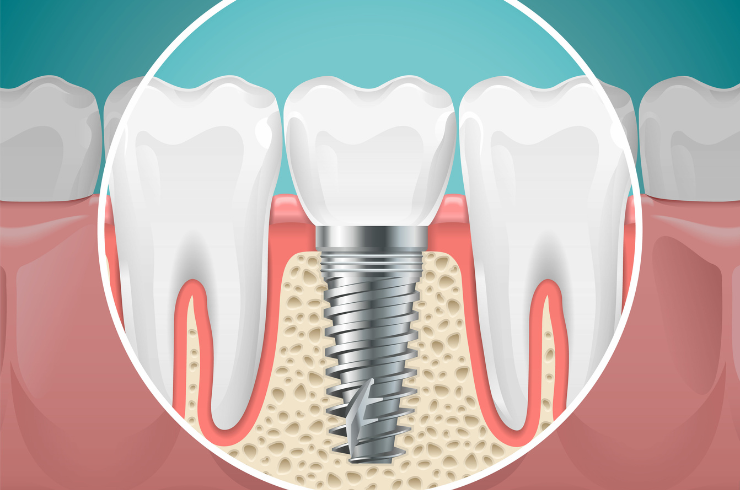
Dental implants are artificial tooth roots, usually made of biocompatible titanium, that are surgically placed into the jawbone. Once the implant integrates with the bone, it supports a dental crown, bridge, or fixed full-arch restoration.

A dental implant generally consists of three components: the implant placed inside the jawbone, an abutment that connects the implant to the restoration, and a customised crown that replaces the visible part of the missing tooth.

Unlike removable dentures, dental implants remain securely positioned and provide improved stability while eating and speaking. They also help preserve the surrounding bone and avoid the need to alter healthy neighbouring teeth in many cases.

Dental implant

Who Can Benefit from Dental Implants?

You may benefit from dental implants if you have:

  • One missing tooth
  • Multiple missing teeth
  • Complete tooth loss
  • Loose or uncomfortable dentures
  • Difficulty chewing due to missing teeth
  • Gaps affecting your smile
  • Teeth that cannot be saved
  • Tooth loss caused by decay, gum disease, or injury
  • A need for fixed teeth instead of removable dentures
  • Sufficient jawbone to support an implant
  • Good general and oral health

Dental Implant Procedure

Implant Assessment

The dentist examines your teeth, gums, bite, and jawbone. Digital X-rays or three-dimensional scans may be used to evaluate bone availability and plan the implant position.

Implant Placement

The dental implant is carefully placed into the jawbone under local anaesthesia. It is then allowed to heal and integrate securely with the surrounding bone.

Final Tooth Restoration

After healing, a customised crown, bridge, or full-arch restoration is attached to the implant. Final adjustments ensure a natural appearance and comfortable bite.

Types of Dental Implant Solutions

Depending on the number of missing teeth and the condition of the jawbone, dental implant options may include:

  • Single-tooth dental implants
  • Multiple dental implants
  • Implant-supported dental bridges
  • Implant-supported dentures
  • Full-mouth dental implants
  • Full-arch fixed teeth
  • Immediate dental implants in suitable cases
  • Bone grafting-supported implants
  • Guided dental implant placement
  • Replacement of failed or damaged implants

The recommended solution depends on your oral health, bone condition, number of missing teeth, bite, and long-term expectations.

Benefits of Dental Implants

Dental implants offer several functional and cosmetic advantages when compared with conventional tooth-replacement options.

Key benefits include:

  • Replace missing teeth with fixed restorations
  • Provide a natural-looking smile
  • Improve chewing and biting ability
  • Support clearer speech
  • Offer better stability than removable dentures
  • Help preserve the jawbone
  • Prevent nearby teeth from shifting
  • Avoid altering healthy adjacent teeth in many cases
  • Restore facial and smile appearance
  • Improve confidence while eating and smiling
  • Provide long-lasting results with proper care
  • Support single, multiple, or full-mouth tooth replacement
  • Feel more similar to natural teeth
  • Improve overall oral function
  • Make daily dental care more convenient

The lifespan of a dental implant depends on oral hygiene, gum health, general health, lifestyle habits, implant position, and regular dental follow-ups.

Why Choose Cognident for Dental Implants in Madhapur?

At Cognident Psychiatry and Dental Clinic, implant treatment is carefully planned to restore both the appearance and function of your smile. Our dentists evaluate your complete oral condition before recommending the most appropriate tooth-replacement option.

Patients choose Cognident for dental implants because we provide:

  • Experienced implant dental professionals
  • Detailed dental and jawbone assessment
  • Digital X-rays and advanced implant planning
  • Personalised treatment for single or multiple missing teeth
  • Guided implant placement where appropriate
  • Natural-looking crowns and restorations
  • Bone grafting and implant-support procedures
  • Implant-supported bridges and dentures
  • Full-mouth rehabilitation options
  • Strict sterilisation and safety protocols
  • Comfortable and patient-focused care
  • Transparent treatment planning
  • Regular follow-up and maintenance guidance
  • Comprehensive dental care under one roof

Our team focuses on precise implant placement, healthy gum support, proper bite alignment, and restorations that blend naturally with your smile.

At Cognident, the goal is to provide a stable and functional tooth replacement that supports your oral health, comfort, and confidence over the long term.

Frequently Asked Questions

Find answers to commonly asked questions about our dental services, treatments, appointments, and patient care to help you make informed decisions about your oral health.

Is dental implant placement painful?

Dental implant placement is usually performed under local anaesthesia, which numbs the treatment area. Most patients experience minimal discomfort during the procedure.

The treatment duration depends on the number of implants, jawbone condition, healing response, and whether bone grafting is required.

Immediate implant placement may be possible in selected cases when there is sufficient healthy bone and no uncontrolled infection.

Dental implants can last for many years with good oral hygiene, healthy gums, regular dental check-ups, and proper maintenance. The crown or restoration placed over the implant may require replacement over time due to normal wear.

Dental implants should be cleaned like natural teeth through regular brushing, flossing, or dentist-recommended interdental cleaning. Routine dental visits are important to monitor the implant, gums, bite, and surrounding bone.