
Introduction
Dental bridges are one of the most common and reliable solutions for replacing missing teeth. Losing a tooth can affect more than just your smile—it can impact your ability to chew comfortably, speak clearly, and maintain proper bite alignment.
If you have a missing tooth, you may wonder:
“Is a dental bridge the right option for me?”
“How long will a dental bridge last?”
Understanding how dental bridges work, who needs them, the materials available, and how to care for them can help you make an informed decision for your oral health.
At Cognident Dental Clinic, we provide personalised dental solutions designed to restore both the function and appearance of your smile.
What Are Dental Bridges?
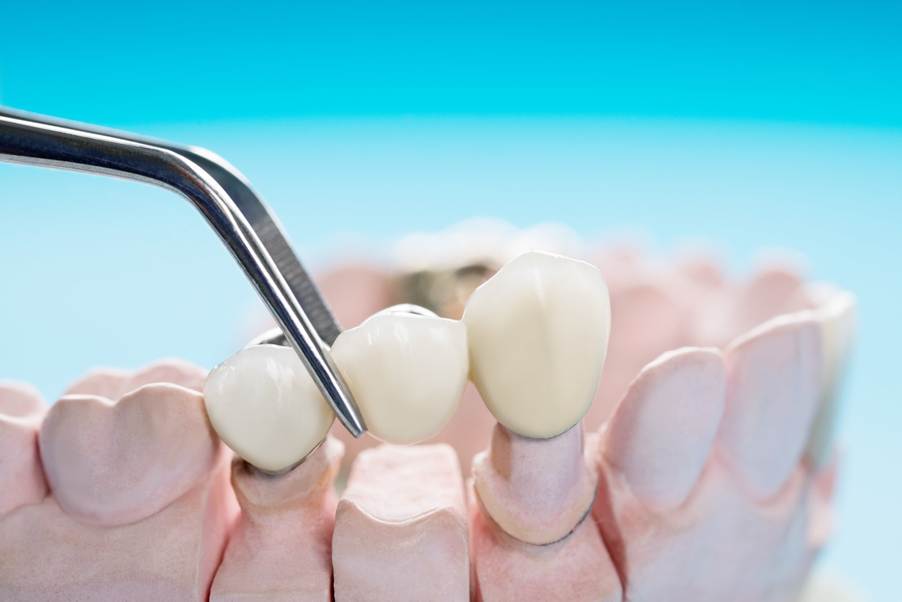
A dental bridge is a fixed dental restoration used to replace one or more missing teeth. It fills the gap created by a missing tooth by placing an artificial tooth (called a pontic) between supporting teeth or implants.
Unlike removable dentures, dental bridges are fixed in place and provide a stable solution that feels more natural while eating and speaking.
Dental bridges can help:
- Restore your smile
- Improve chewing ability
- Support clear speech
- Maintain proper bite alignment
- Prevent nearby teeth from shifting into the empty space
Who Needs Dental Bridges?
You may be a suitable candidate for a dental bridge if you:
- Have one or more missing teeth
- Want to restore your smile appearance
- Experience difficulty while chewing
- Notice changes in your bite after tooth loss
- Want to prevent neighbouring teeth from moving
For example, if a tooth is lost due to decay, injury, or gum problems, the surrounding teeth may gradually shift into the empty space. A dental bridge helps maintain proper spacing and supports overall oral function.
Types of Dental Bridges
Different types of dental bridges are available depending on your oral condition.
Traditional Dental Bridge
This is the most commonly used type of dental bridge.
It uses dental crowns placed on the teeth beside the missing tooth to support the artificial tooth.
Best suited for:
- Patients with healthy supporting teeth on both sides of the gap
- Replacement of single missing teeth or multiple missing teeth
Cantilever Dental Bridge
A cantilever bridge is supported by only one adjacent tooth.
Best suited for:
- Areas where only one supporting tooth is available
- Certain front tooth replacement cases
However, it may not be recommended for areas that experience heavy chewing pressure.
Maryland Dental Bridge
A Maryland bridge uses a metal or porcelain framework attached to the back surface of nearby teeth.
Best suited for:
- Front teeth replacement
- Patients looking for a more conservative option
- Cases where minimal alteration of natural teeth is preferred
Implant-Supported Dental Bridge
An implant-supported bridge uses dental implants instead of natural teeth as support.
Best suited for:
- Patients missing multiple teeth
- Cases where stronger support is required
- Patients looking for a long-term tooth replacement option
At Cognident Dental Clinic, our dental specialists evaluate your oral health, bone condition, and smile requirements to recommend the most suitable bridge option.
Dental Bridge Materials: Which One Is Right for You?
Dental bridges are available in different materials. The ideal choice depends on factors such as tooth location, strength requirements, aesthetics, and your individual needs.
Metal Dental Bridges
Metal bridges are made using materials such as gold or other dental alloys.
Advantages:
- Extremely strong and durable
- Resistant to wear
- Suitable for areas with high chewing pressure
Best suited for:
- Back teeth (molars)
- Patients who prioritise strength over appearance
However, because of their metallic appearance, they are less commonly preferred for visible front teeth.
Porcelain Fused to Metal (PFM) Bridges
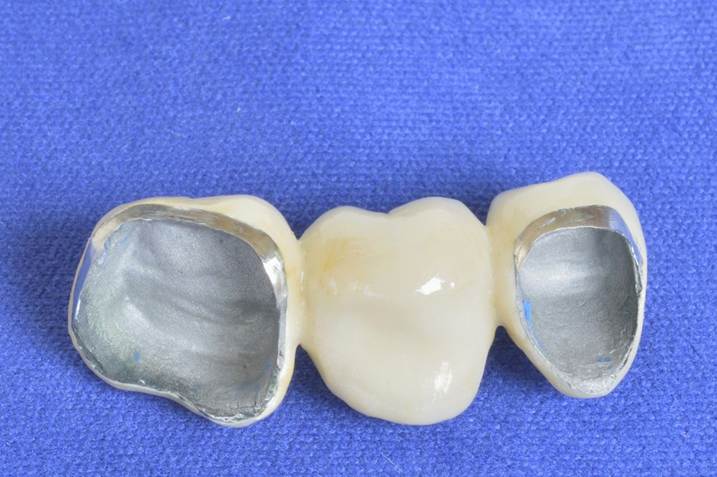
PFM bridges combine a metal base for strength with a porcelain outer layer for a more natural appearance.
Advantages:
- Good balance between strength and aesthetics
- Long-standing and reliable option
- Suitable for many dental situations
Best suited for:
- Back teeth requiring strength
- Patients looking for a durable and cost-effective restoration
- Cases where both function and appearance are important
Zirconia Dental Bridges
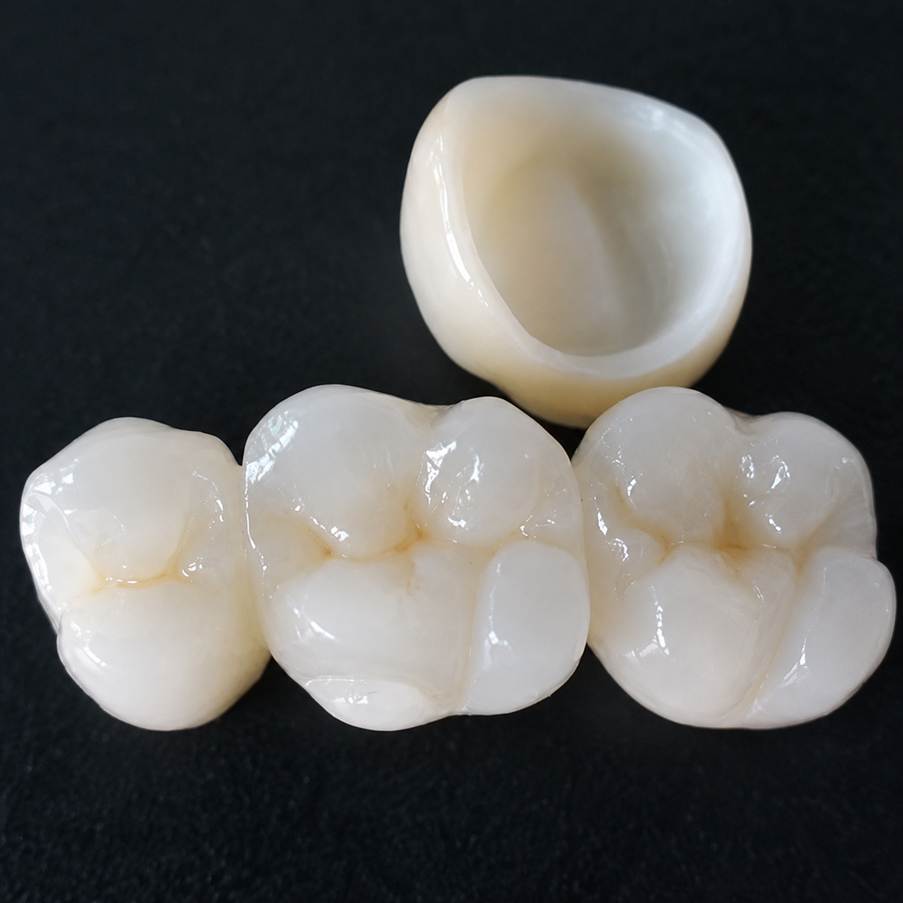
Zirconia bridges are made from a strong ceramic material known for durability and natural appearance.
Advantages:
- High strength
- Metal-free restoration
- Natural tooth-like appearance
- Good resistance to chipping
Best suited for:
- Patients who want a highly aesthetic option
- Front and back teeth
- Patients with metal sensitivity concerns
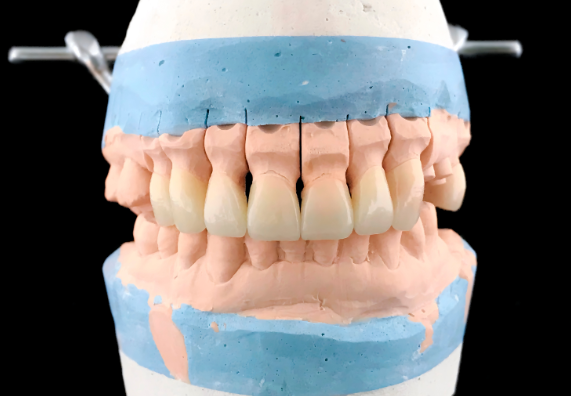
Lithium Disilicate Bridges
Lithium disilicate is an advanced ceramic material known for excellent aesthetics and translucency.
Advantages:
- Very natural appearance
- Excellent colour matching
- Strong ceramic restoration
Best suited for:
- Front teeth where appearance is a priority
- Smile enhancement cases
- Patients looking for highly aesthetic results
Your dentist will recommend the most suitable material based on your tooth position, bite force, aesthetic expectations, and overall oral health.
How Long Do Dental Bridges Last?
Many patients ask:
“How many years does a dental bridge last?”
On average, dental bridges can last between 5 and 15 years. With proper care, regular dental visits, and good oral hygiene, some bridges may last even longer.
Several factors influence the lifespan of a dental bridge:
- Oral hygiene habits
- Type of bridge
- Material used
- Strength of supporting teeth
- Gum health
- Regular dental check-ups
- Bite pressure and habits
Signs that your dental bridge may need attention include:
- Loose bridge
- Damage or cracks
- Pain or sensitivity
- Changes in bite
- Difficulty while chewing
If you notice any of these signs, consult your dentist for evaluation.
How to Maintain Your Fixed Dental Prosthesis (FPD)?
A Fixed Dental Prosthesis (FPD), commonly known as a dental bridge, is designed to restore your smile and chewing function. However, proper aftercare is essential to maintain its appearance, strength, and longevity.
Following good oral hygiene habits and regular dental care can help protect both the bridge and the supporting teeth
How to Care for Dental Bridges
Proper maintenance can significantly improve the lifespan of your dental bridge.
Follow these simple tips:
- Brush twice daily with a soft-bristled toothbrush
- Floss regularly around and under the bridge
- Use a floss threader or interdental cleaner
- Maintain gum health
- Avoid chewing extremely hard foods
- Visit your dentist regularly for check-ups and cleaning
Good oral care protects both your bridge and supporting natural teeth.
Consequences of Not Replacing a Missing Tooth
A missing tooth may seem like a small concern, but leaving it untreated can gradually affect your oral health.
Possible consequences include:
- Remaining teeth shifting into the empty space
- Difficulty chewing properly
- Increased food trapping and plaque buildup
- Bite imbalance
- Reduced jawbone support over time
- Changes in speech
- Reduced confidence while smiling
Replacing a missing tooth early can help maintain proper oral function and prevent future complications.
Benefits of Dental Bridges
Dental bridges offer several advantages, including:
- Restoring your smile
- Improving chewing ability
- Supporting speech clarity
- Preventing teeth from shifting
- Maintaining facial appearance
- Providing a fixed and comfortable solution
Why Patients Choose Cognident Dental Clinic
Missing teeth can affect your confidence, comfort, and quality of life.
At Cognident Dental Clinic, we combine advanced technology, precision, and expertise to create dental bridges that look natural and function comfortably.
Our approach includes:
- Expert treatment planning
- Custom-designed dental bridges
- High-quality restoration materials
- Digital technology for accurate fitting
- Personalised treatment solutions
- Complete follow-up care
We focus on creating long-lasting results that support your oral health and confidence.
Frequently Asked Questions (FAQs)
1. How long does a dental bridge usually last?
A dental bridge typically lasts around 5–15 years. Proper oral hygiene and regular dental visits can help extend its lifespan.
2. Which material is best for a dental bridge?
The best material depends on your needs. Zirconia and lithium disilicate are popular for aesthetics, while PFM and metal bridges are preferred in situations requiring more strength.
3. Is getting a dental bridge painful?
The procedure is usually performed under local anaesthesia, making it comfortable for most patients.
4. Can a dental bridge replace multiple missing teeth?
Yes, depending on your oral condition, dental bridges can replace one or multiple missing teeth.
5. Are dental bridges better than dentures?
Dental bridges are fixed solutions and often feel more stable than removable dentures. However, the best option depends on your oral health and dental evaluation.
6. How do I know which dental bridge is right for me?
Your dentist will consider factors like missing tooth location, supporting teeth, bite, aesthetics, and overall oral health before recommending the right option.
Restore Your Smile With Confidence
A missing tooth does not have to affect your confidence or quality of life.
With the right dental bridge and expert guidance, you can restore your smile, improve function, and protect your oral health.
Book your consultation at Cognident Dental Clinic today and discover a personalised dental bridge solution designed for your smile.