What Is Panic Disorder?
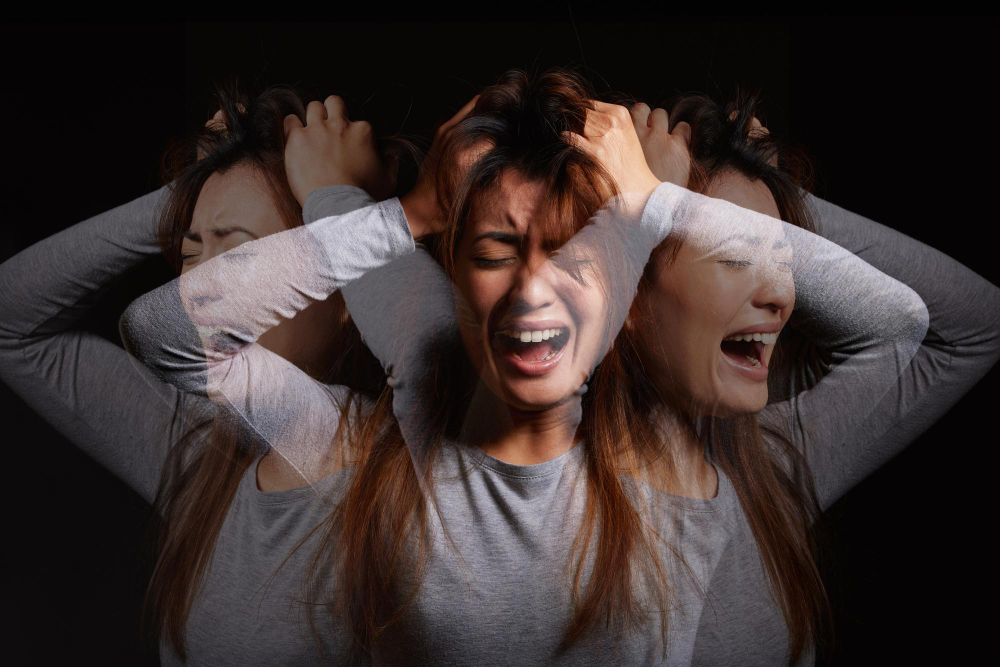
Panic disorder is a mental health condition. It causes sudden and repeated panic attacks. These attacks bring intense fear and physical symptoms. For many, the fear feels overwhelming. Sometimes, it even feels like a real emergency. Panic disorder is more than just feeling anxious. It can disrupt daily life. According to the CDC, about 2-3% of people may experience panic disorder at some point. Early recognition and psychiatric help for panic disorder can make a big difference.
Common Symptoms of Panic Disorder
Panic attack symptoms can appear quickly. They often peak within minutes. However, they can feel very severe. Common symptoms include:
Sometimes, these symptoms mimic a heart attack. As a result, many people rush to the emergency room. But, after tests, doctors may find no physical cause.
Causes and Risk Factors
While the exact cause is not clear, several factors can increase risk. For example, genetics may play a role. If a close family member has panic disorder, your risk is higher. Other risk factors include:
Sometimes, panic disorder starts without a clear reason. But, knowing the risk factors can help with early detection.
How Panic Disorder Becomes a Physical Emergency
Panic attacks can feel like a true emergency. For instance, chest pain and shortness of breath are common. These symptoms are also signs of heart problems. Because of this, many people fear they are having a heart attack. In some cases, repeated panic attacks can lead to ongoing health problems. For example, people may avoid places or situations that trigger attacks. Over time, this can limit daily activities. If panic attacks happen often, they can also raise blood pressure and stress hormones. Therefore, it is important to get help quickly.
Diagnosis and When to Seek Help
Doctors diagnose panic disorder based on your symptoms and medical history. They may also do tests to rule out other causes. For example, they might check your heart or lungs. If you have frequent panic attacks, or if you avoid activities due to fear, you should seek help. Early treatment can prevent panic disorder from getting worse. You can find psychiatric help for panic disorder in your area by asking your doctor or searching local mental health services.
Treatment Options
There are effective treatments for panic disorder. Most people get better with the right care. Common treatments include:
Often, a combination of therapy and medication works best. Your doctor can help you find the right plan.
Lifestyle Tips and Prevention
While treatment is key, healthy habits can also help. For example, you can:
Additionally, learning about panic disorder can reduce fear. Knowing what to expect makes it easier to manage symptoms.
When to Call for Emergency Help
Sometimes, panic attack symptoms look like a heart attack or other serious problem. You should call for emergency help if:
Even if you think it is “just” a panic attack, it is better to be safe. Emergency anxiety can be scary, but help is available.
If you or someone you know is experiencing panic attacks, consult a mental health specialist at Cognident-Psychiatry and Dental Clinic for personalized guidance.