Oral ulcers can cause pain and discomfort while eating, drinking, speaking, or brushing. Painful or recurring ulcers may require professional evaluation and supportive care.
At Cognident Psychiatry and Dental Clinic in Madhapur, we provide personalised LLLT for oral ulcers based on the type, location, severity, and recurrence of the ulcer.
Our approach focuses on improving patient comfort while supporting the natural healing process.
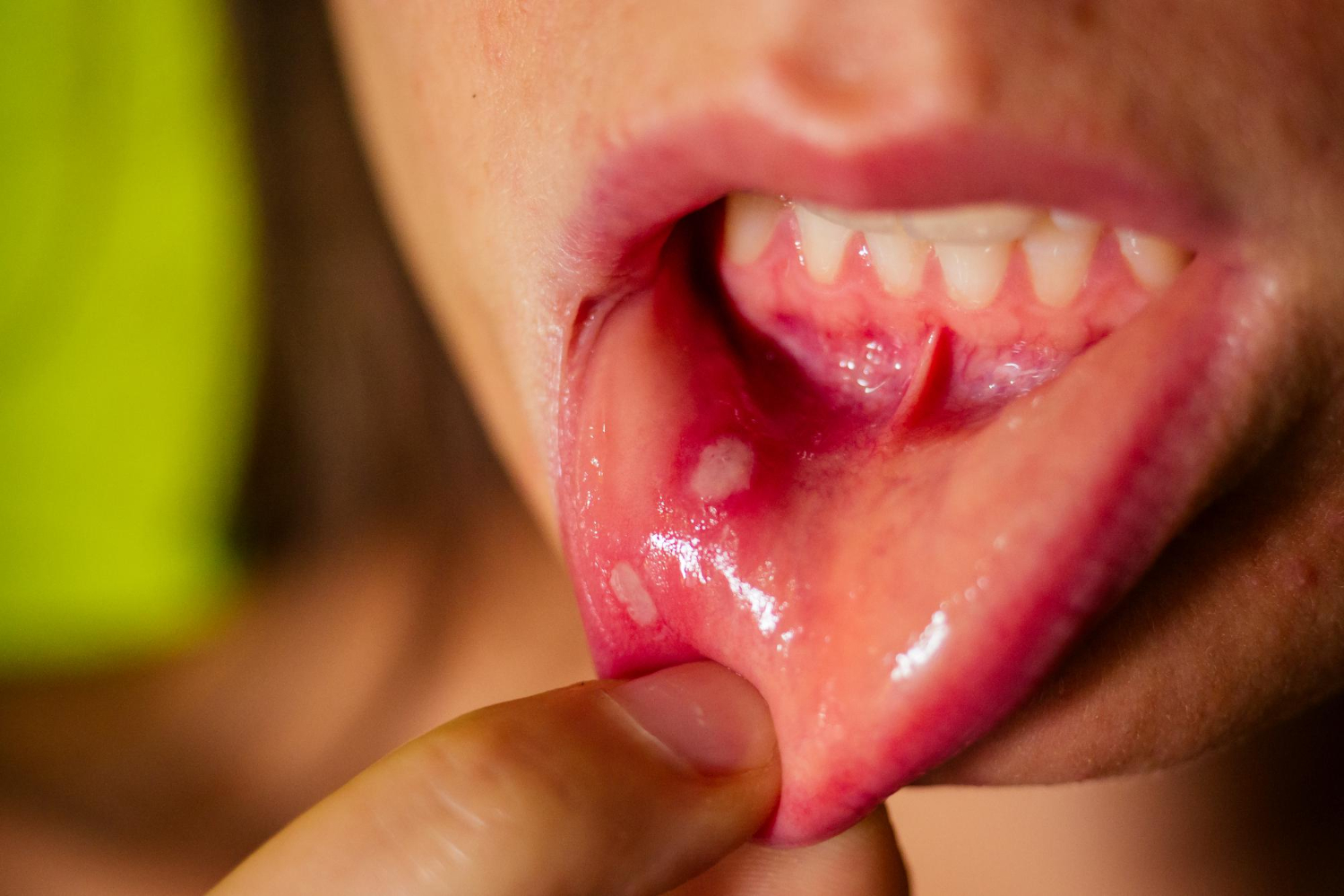
Low-Level Laser Therapy (LLLT) is a non-invasive supportive approach that may help manage discomfort and support healing of selected oral ulcers.
Low-Level Laser Therapy (LLLT), also known as low-intensity laser therapy or photobiomodulation, uses controlled low-energy light to interact with tissues.
In dentistry, LLLT may be used as a supportive approach for certain painful oral ulcers to improve comfort and support tissue recovery.
LLLT may help reduce ulcer-related discomfort and make daily activities like eating and speaking more comfortable.
The therapy may support natural tissue repair processes and promote recovery of irritated oral tissues.
LLLT provides a supportive treatment option without cutting or removing the ulcer.
A dental examination is important to identify the cause of an oral ulcer and determine whether LLLT is appropriate.
LLLT may be considered when an oral ulcer causes significant discomfort or when supportive laser therapy may be beneficial as part of dental care.
Persistent, unusually large, frequently recurring, or non-healing oral ulcers should always be professionally evaluated to identify the underlying cause.
The ulcer is examined to assess its location, appearance, size, duration, symptoms, and possible causes before deciding whether laser therapy is appropriate.
Controlled low-intensity laser light is applied to the affected area as a supportive approach aimed at reducing discomfort and promoting tissue healing.
LLLT may help reduce local discomfort and inflammation, making daily activities such as eating, drinking, speaking, and brushing more comfortable.
Follow-up recommendations and personalised oral care guidance help monitor healing and identify ulcers requiring additional evaluation.
LLLT may provide supportive care for certain oral ulcers by helping reduce discomfort and supporting the body's natural tissue repair processes.
The response to LLLT varies depending on the type, cause, severity, and duration of the oral ulcer.
At Cognident Psychiatry and Dental Clinic, we understand that oral ulcers can make simple activities such as eating, drinking, and speaking uncomfortable.
Our approach begins with identifying the characteristics of the ulcer and assessing whether laser therapy is appropriate.
When LLLT is recommended, controlled low-level laser energy is applied to the affected area as a supportive approach to managing pain and promoting tissue recovery.
The procedure does not involve cutting or removing the ulcer. Our dental team also evaluates possible sources of irritation and provides appropriate oral care guidance.
If an ulcer appears unusual, persists longer than expected, or repeatedly returns, further investigation may be recommended to identify an underlying cause.
Our goal is to provide comfortable, personalised care while supporting the natural healing of oral tissues and maintaining overall oral health.
Find answers to commonly asked questions about LLLT for oral ulcers, laser therapy, mouth ulcer pain, healing, and dental care.
LLLT, or Low-Level Laser Therapy, uses low-intensity light as a non-invasive supportive approach that may help reduce discomfort and support healing in certain oral ulcers.
LLLT is generally non-invasive and does not involve cutting or drilling. Most patients do not experience significant discomfort during the application.
LLLT may help reduce pain and local inflammation while supporting the body's natural tissue repair processes and healing response.
The duration depends on the ulcer, treatment area, and clinical approach. Your dentist will determine the appropriate treatment duration during your evaluation.
LLLT may support healing and reduce discomfort, but it does not necessarily prevent future ulcers. Identifying and managing possible triggers is important for recurrent oral ulcers.
No. LLLT may be appropriate for selected oral ulcers. A dental examination is important to determine the cause and decide whether laser therapy is suitable.
Seek professional evaluation if an ulcer is unusually large or painful, occurs frequently, persists longer than expected, or does not heal normally. Persistent oral sores may require further investigation.