
Written & medically reviewed by Dr. Harshitha Garapati
BDS, MDS (Conservative Dentistry & Endodontics)
Endodontist, COGNIDENT
What is TMJ Disorder?
TMJ disorder affects the jaw joint, which is called the temporomandibular joint (TMJ). This joint connects your jawbone to your skull. TMJ disorder, also known as TMD, can cause pain and problems with jaw movement. Many people experience jaw pain, clicking, or trouble opening their mouth. Because TMJ disorder is common, understanding its causes and symptoms is important. Early care can help prevent long-term issues.
Common Causes of TMJ Disorder
There are several reasons why TMJ disorder may develop. Sometimes, the exact cause is not clear. However, the following are common jaw pain causes:
- Jaw injury or trauma
- Teeth grinding or clenching (often during sleep)
- Arthritis in the jaw joint
- Stress, which can lead to muscle tension
- Improper bite or misaligned teeth
- Connective tissue diseases
In addition, habits like chewing gum or biting nails can make symptoms worse. If you notice jaw pain after an injury or due to stress, TMJ disorder could be the reason.
Recognizing Symptoms of TMJ Disorder
TMJ disorder symptoms can vary from person to person. Still, some signs are more common. For example, you may notice:
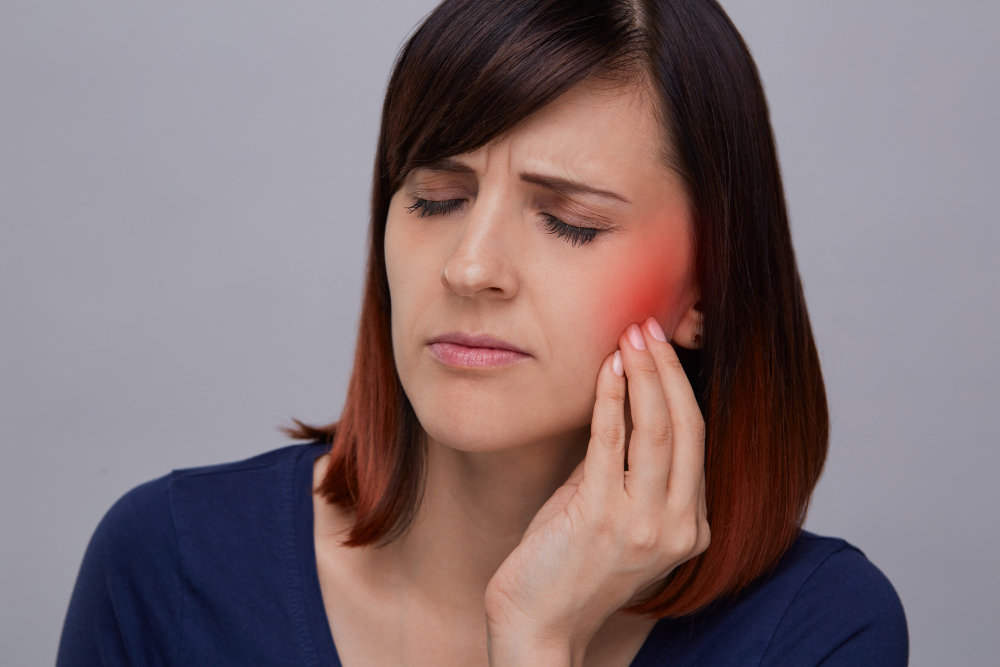
- Pain or tenderness in the jaw
- Clicking, popping, or grating sounds when moving the jaw
- Difficulty opening or closing the mouth
- Locking of the jaw joint
- Ear pain or ringing in the ears
- Headaches or neck pain
- Swelling on the side of the face
TMJ disorder may also lead to a lock jaw condition, in which the jaw becomes temporarily stuck in an open or closed position. This can make speaking, eating, or moving the mouth difficult and requires prompt evaluation.
Sometimes, TMJ disorder can also cause tooth pain. However, this pain is not always related to dental problems. If you have any of these symptoms, you may want to learn how to relieve TMJ pain.
Diagnosis: How TMJ Disorder is Identified
To diagnose TMJ disorder, a dentist or specialist will first ask about your symptoms. Next, they will examine your jaw and listen for sounds when you open or close your mouth. Sometimes, they may order X-rays or other scans to check the joint. In some cases, a dental exam can help rule out other jaw pain causes. Early diagnosis can lead to better treatment outcomes.
Treatment Options for TMJ Disorder
There are many TMJ disorder treatment options. The right choice depends on your symptoms and their severity. Common treatments include:
- Resting the jaw and eating soft foods
- Applying ice or heat packs to reduce pain
- Over-the-counter pain relievers
- Physical therapy exercises for the jaw
- Wearing a mouth guard at night to prevent teeth grinding
- Stress management techniques
- Dental treatments to correct bite problems
- TENS therapy to help manage muscle-related jaw pain
- Orthotics or supportive oral appliances, based on the individual case
- Teeth alignment treatment when misaligned teeth or bite problems contribute to symptoms
- TMJ lavage in selected cases to clean and lubricate the jaw joint
In rare cases, surgery may be needed. However, most people find relief with simple steps. If you are searching for a dentist for TMJ near me, many dental clinics offer these services.
Lifestyle Tips and Prevention
Although TMJ disorder can be bothersome, you can take steps to prevent or ease symptoms. For example:
- Avoid chewing gum or biting hard foods
- Practice good posture, especially when using a phone or computer
- Use relaxation techniques to manage stress
- Do gentle jaw stretches as recommended by your dentist
- Wear a mouth guard if you grind your teeth at night
By making these changes, you may reduce your risk of TMJ disorder or help relieve TMJ pain.
When to See a Dentist or Specialist
If you have ongoing jaw pain, clicking, or trouble moving your jaw, it is important to seek help. Sometimes, symptoms can get worse if left untreated. Therefore, see a dentist or TMJ specialist if:
- Pain does not improve with home care
- Your jaw locks or becomes hard to move
- You have trouble eating or speaking
- There is swelling or signs of infection
Seek prompt professional care if your jaw becomes locked in an open or closed position.
Early treatment can prevent further problems. In addition, a dentist for TMJ near you can suggest the best TMJ disorder treatment for your needs.
If you have jaw pain or suspect TMJ disorder, consult a dentist at Cognident-Psychiatry and Dental Clinic for personalized advice.